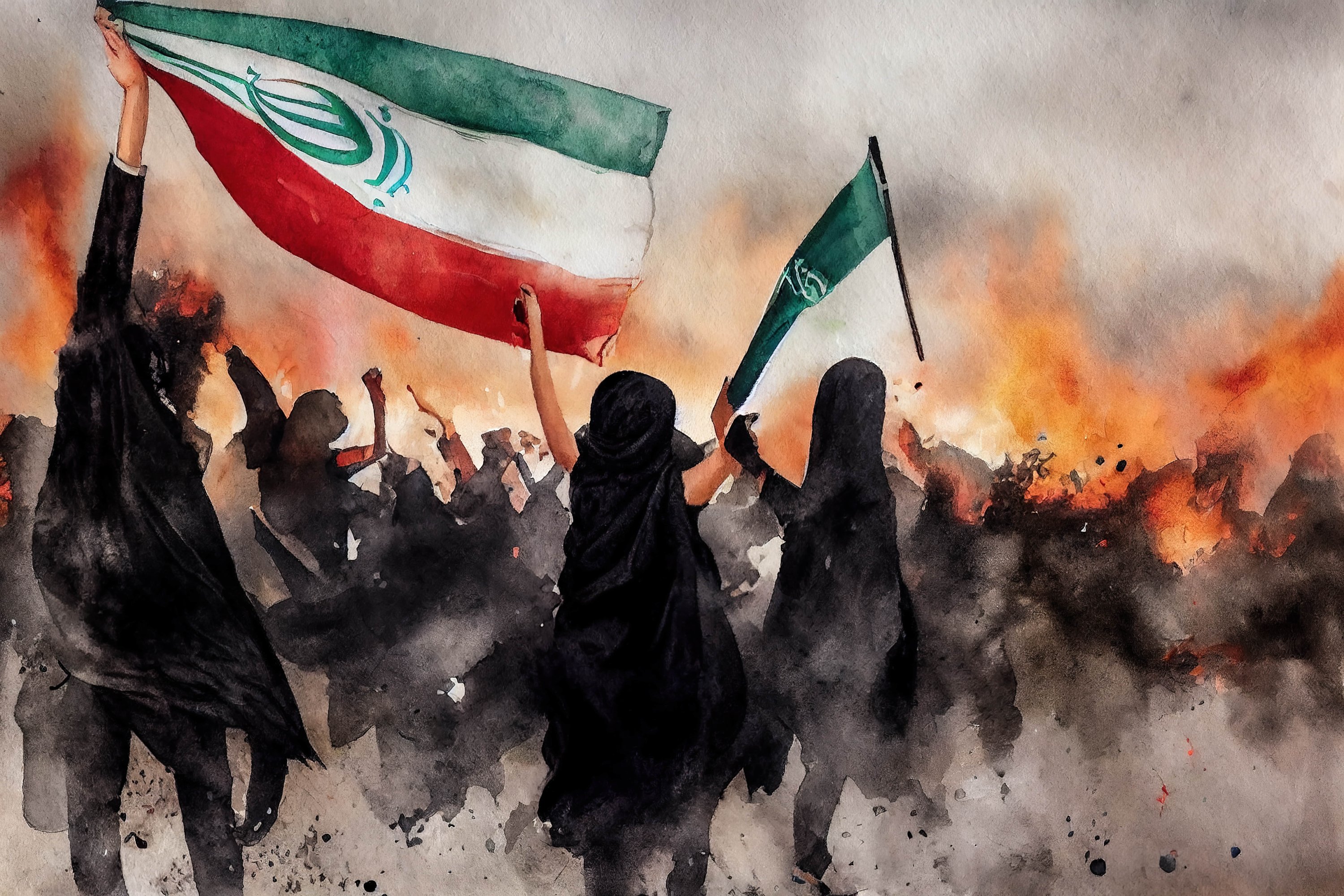
The Iran conflict has escalated into one of the most consequential geopolitical events of the decade. This is not simply a regional confrontation — it is a coordinated strike on the political, military, and economic architecture of a state that sits at the centre of global energy flows. U.S. and Israeli operations targeted Iran’s political leadership, nuclear facilities, missile production sites, air‑defence systems, ports, oil assets, and military bases across multiple provinces. The objective was structural, not symbolic: to degrade Iran’s ability to project power across the region.
Why does this matter for the global economy? Because Iran’s geography, energy infrastructure, and retaliatory capacity sit at the heart of the world’s most fragile chokepoint.
The Strait of Hormuz: The World’s Most Dangerous Dependency
About a third of the world’s seaborne oil and 20% of global LNG exports pass through the Strait of Hormuz — a narrow corridor bordered by Iran and Oman. These flows supply major Asian economies, including China.
In the days following the strikes, Iran retaliated by targeting commercial vessels, including tankers near Oman. Maritime tracking organisations reported multiple projectile attacks across the Arabian Peninsula’s waters.
A chokepoint is not just a location. It is a global dependency. And when a dependency destabilises, the entire system begins to reprice risk.
Markets React Before Governments Can Respond
The economic shock was immediate:
- Oil surged nearly 10%
- Natural gas jumped 25%
- Global equities fell
- Safe‑haven assets — gold, the Swiss franc, U.S. Treasuries — strengthened
These moves reflect a repricing of structural risk, not panic. Analysts warn that a prolonged disruption in Hormuz could tip the global economy into recession.
Europe is already bracing for renewed inflation and weaker growth as higher oil and LNG prices ripple through supply chains. Central banks may delay rate cuts as energy costs rise.
If war becomes the primary driver of inflation, what happens to monetary policy?
Energy Flows Become the New Fault Line
The strikes on Iran targeted not only military assets but also economic infrastructure — ports, oil facilities, and export routes.
This matters because energy is not just a commodity. It is a geopolitical instrument.
Disrupted shipping through Hormuz affects:
- Oil shipments
- LNG exports
- Global freight routes
Each day that vessels avoid the strait, the world’s energy supply tightens. Analysts warn that continued attacks could “guarantee a global recession” if shipping slows further.
Energy security is no longer a background concern — it is the organising principle of global strategy.
Political Leverage Shifts Under Pressure
War compresses political timelines. Governments are already repositioning:
- Europe faces delayed interest‑rate relief as energy‑driven inflation resurges.
- The U.S. prepares for potential retaliatory attacks, including cyber operations.
- Asian economies dependent on Hormuz flows reassess diversification strategies.
- Gulf states recalibrate alliances as the conflict widens.
The U.S.–Israel strikes signal a shift from deterrence to pre‑emptive containment — a posture that reshapes regional power dynamics.
If alliances shift faster than diplomacy can formalise them, what does stability even look like?
Future Scenarios: What Happens If the Conflict Escalates?
Analysts outline several possible trajectories:
1. Prolonged Disruption in Hormuz
This is the most economically dangerous scenario. A sustained slowdown in shipping could trigger a global recession, with oil prices spiking and LNG shortages hitting Europe and Asia.
2. Regional Spillover
Iran’s retaliatory capacity extends across the Middle East. Attacks on U.S. bases, Gulf infrastructure, or Israeli assets could widen the conflict and destabilise energy markets further.
3. Diplomatic Containment
A negotiated de‑escalation could stabilise markets temporarily, but the structural vulnerabilities exposed by the conflict — energy dependence, chokepoint fragility, geopolitical fragmentation — will remain.
4. A New Energy Order
If the conflict persists, states may accelerate diversification away from Middle Eastern supply routes, reshaping global energy flows for decades.
Which scenario becomes reality depends less on diplomacy and more on how long the system can absorb instability.
Conclusion: The Headlines Will Fade — The Restructuring Won’t
The Iran conflict is a reminder that war reshapes power faster than policy. When a state at the centre of global energy routes is destabilised, markets, currencies, alliances, and political leverage reorganise around the new centre of gravity.
This is not a temporary shock. It is a structural event.
Energy is the backbone of global power. And when the backbone fractures, the entire system must learn to stand differently.