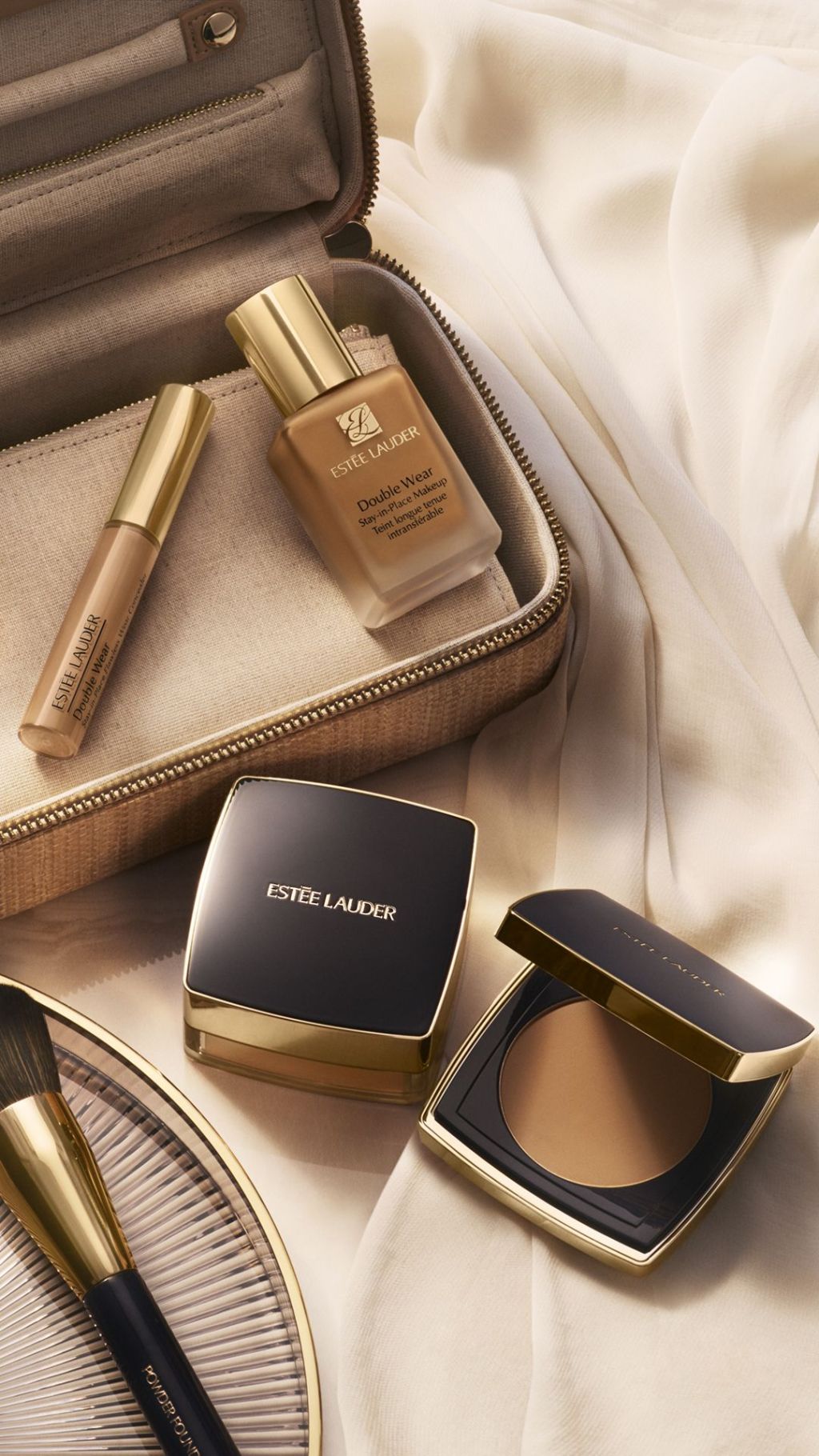
The beauty industry is entering a period of accelerated consolidation — and the reported Puig × Estée Lauder merger talks arrive at a moment when the market is being reshaped by shifting consumer behaviour, global economic pressure, and the rise of cultural IP as a strategic asset.
This isn’t just a corporate headline. It’s a structural pivot point for the entire prestige beauty ecosystem.
Why This Merger Is Timely Now
The timing is not accidental. The beauty sector is facing:
- slowing growth in traditional prestige categories
- a global fragrance boom, with some markets growing at double‑digit rates
- post‑pandemic volatility in China, the industry’s most important growth engine
- the rise of identity‑driven brands that outperform legacy players
- intensifying competition from LVMH and L’Oréal, who continue to expand aggressively
In this environment, scale alone is no longer enough. Conglomerates need cultural relevance, distribution power, and brand heat — simultaneously.
A Puig × Estée Lauder entity would be one of the few groups capable of delivering all three.
Estée Lauder’s Pressures: A Need for Cultural Relevance
Estée Lauder Companies (ELC) is still a prestige giant, but the landscape around it has shifted:
- Recovery in China has been slower than expected
- Legacy brands like MAC and Clinique face cultural fatigue
- Younger consumers are gravitating toward niche fragrance and identity‑driven brands
- The company recently reported several quarters of uneven performance
ELC doesn’t lack scale — it lacks cultural momentum.
Puig’s Pressures: A Need for Global Scale
Puig, meanwhile, is experiencing rapid growth:
- Its fragrance portfolio is outperforming the market
- Charlotte Tilbury continues to dominate the premium makeup category
- Rabanne and Gaultier have re‑entered cultural relevance
- Puig’s IPO signalled ambition to compete at the highest level
But to challenge LVMH and L’Oréal globally, Puig needs distribution scale, especially in Asia.
A merger with Estée Lauder would give them exactly that.
Fragrance Is the Strategic Core of This Merger
Fragrance is the fastest‑growing category in prestige beauty — and the most culturally expressive.
- Global fragrance sales have grown faster than skincare and makeup for three consecutive years
- Niche and fashion‑linked scents are outperforming traditional prestige fragrance
- Younger consumers treat fragrance as identity, not accessory
Puig is already a fragrance powerhouse. Estée Lauder owns major fragrance assets but hasn’t capitalised on cultural shifts.
Together, they would form the largest fragrance‑centric beauty conglomerate in the world.
Cultural IP vs. Product Portfolios: The New Value Equation
The beauty industry is moving away from product‑driven marketing and toward cultural IP — the emotional, symbolic, and identity‑based value a brand holds.
Puig excels here:
- Charlotte Tilbury’s celebrity‑coded influence
- Rabanne’s fashion‑beauty crossover
- Gaultier’s nostalgia‑driven resurgence
Estée Lauder excels in institutional prestige:
- La Mer’s luxury authority
- Tom Ford Beauty’s global recognition
- MAC’s professional heritage
A merger would combine cultural heat with institutional credibility — a rare and powerful combination.
Global Battlegrounds: China and the Middle East
This merger is also about geography.
China
Estée Lauder has deep distribution networks but weakening cultural relevance. Puig has momentum but limited scale.
Middle East
Puig’s fragrance‑driven portfolio is thriving in the region. Estée Lauder has strong retail presence but slower fragrance growth.
A combined entity would have a dominant footprint across every major growth market.
A Strategic Defense Against LVMH and L’Oréal
The beauty industry is consolidating into three global power blocs:
- LVMH — luxury dominance
- L’Oréal — mass prestige and global scale
- Puig × Estée Lauder — cultural + institutional hybrid power
This merger would create a third force capable of competing across:
- luxury fragrance
- prestige skincare
- celebrity beauty
- fashion‑linked branding
- global distribution
It’s not just a merger — it’s a defensive realignment.
Potential Challenges and Criticisms
No merger of this scale is without friction. Key concerns include:
- Brand dilution: Can niche fragrance houses maintain identity under a mega‑conglomerate?
- Cultural misalignment: Puig’s agility vs. Estée Lauder’s corporate structure
- Regulatory scrutiny: Especially in the EU and US
- Integration risk: Merging two distinct brand architectures and leadership cultures
These challenges won’t stop the deal — but they will shape how it unfolds.
What This Means for the Future of Beauty
If the merger proceeds, expect a shift in how beauty brands operate:
- Fragrance becomes the strategic centre of prestige beauty
- Cultural IP becomes the new currency of brand value
- Identity‑driven branding overtakes product‑driven marketing
- Conglomerates compete on narrative ownership, not category dominance
- Fashion‑beauty crossovers accelerate
Beauty is no longer about formulas — it’s about influence.
A Final Thought: What Does This Mean for You?
Would a Puig × Estée Lauder merger strengthen the industry — or consolidate too much power in too few hands? Would it spark innovation — or homogenise the market? And how will consumers respond when cultural IP becomes the primary driver of brand value?
These are the questions shaping the next decade of beauty.
Conclusion: A Recalibration of Power
A Puig × Estée Lauder merger would not simply combine two companies — it would redefine who gets to shape the future of beauty.
It signals a world where:
- fragrance leads strategy
- cultural capital drives growth
- identity becomes infrastructure
- and influence is built through both heritage and heat
The Regist will continue tracking this story — not as a corporate transaction, but as a cultural and economic shift with long‑term implications for the global beauty landscape.
 The Regist