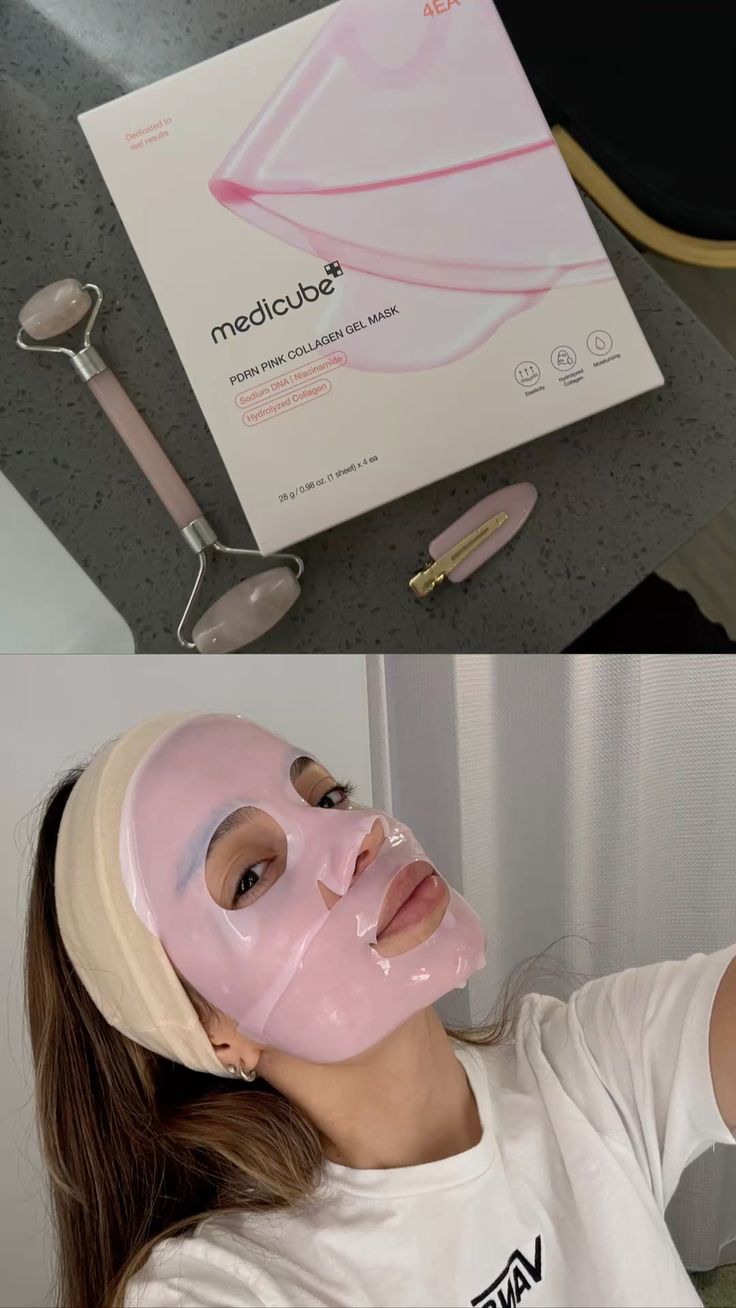
Introduction: The Beauty Brand That Rewired Trust
Medicube’s rise from a mid‑tier Korean skincare brand to a billion‑dollar global force didn’t come from celebrity endorsements, viral TikTok trends, or traditional influencer marketing.
It came from a single strategic insight:
Consumers trust reactions more than they trust brands.
Medicube operationalised this insight into a scalable growth engine by buying reaction rights — a move that has since reshaped beauty marketing.
This article breaks down the strategy, the psychology behind it, the industry impact, and the limitations brands must consider.
What Are Reaction Rights — And Why They Matter
Reaction rights refer to a brand purchasing the usage rights to a creator’s genuine reaction to a product. Not a scripted endorsement. Not a sponsored post. Just the reaction.
This gives brands:
- authenticity (real emotional responses)
- control (full asset ownership)
- scale (unlimited distribution across platforms)
It’s UGC, but industrialised.
Why Reactions Outperform Traditional Influencer Marketing
Consumers have become desensitised to influencer ads. They know when a creator is paid. They know when a script is involved.
Reactions, however, trigger:
- mirror neurons (we mimic what we see)
- emotional contagion (we feel what they feel)
- curiosity loops (“wait… does it really work?”)
- authenticity bias (raw > polished)
This is why Medicube’s ads don’t feel like ads — they feel like discovery.
The Strategy: Build a Reaction Library, Not an Influencer Roster
Instead of chasing influencers, Medicube built a reaction library — a database of hundreds of faces reacting to their Age‑R device.
This library included:
- different ages
- different skin types
- different ethnicities
- different geographies
This allowed Medicube to match reactions to audiences with precision.
A 45‑year‑old woman in the US sees someone like her. A 22‑year‑old in Singapore sees someone like her.
Personalisation without personalisation costs.
Case Studies: Other Brands Using Similar Strategies
Medicube isn’t alone. Several brands have adopted variations of this model:
1. Topicals
Uses real customer reactions in ads to build trust around sensitive‑skin products.
2. Dr. Dennis Gross
Runs reaction‑based ads for their LED mask, showing shock, surprise, and visible results.
3. Shark Beauty
Uses “first‑try reactions” for their hair tools — outperforming traditional tutorials.
4. Our Place
Built its early growth on reaction‑based UGC showing the “wow” moment of non‑stick cookware.
These examples reinforce that reaction‑driven marketing is becoming a category norm, not an anomaly.
Why This Strategy Scaled Medicube to a Billion-Dollar Valuation
Medicube’s reaction‑rights model delivered measurable advantages:
Lower CAC
Reaction ads convert faster, reducing acquisition costs.
Higher ROAS
Authenticity drives more efficient ad spend.
Global Scalability
One reaction clip can be used across 10+ markets.
Brand Recognition
Medicube’s “reaction aesthetic” became instantly recognisable.
Defensible Moat
Competitors can copy the product. They can’t copy the reaction library.
Limitations and Criticisms: What Brands Must Consider
No strategy is perfect. Reaction rights come with challenges:
1. Authenticity Risk
If reactions feel exaggerated, consumers lose trust.
2. Creator Fatigue
Creators may resist selling rights if they feel exploited.
3. Legal Complexity
Usage rights vary by region and platform — missteps can be costly.
4. Over‑reliance on Paid Media
Brands may become dependent on ads rather than organic community building.
5. Diminishing Novelty
As more brands adopt this model, reaction‑based ads may lose their edge.
A balanced strategy requires both reaction‑based performance marketing and brand‑building content.
The Regist View
Medicube didn’t just market a product — they industrialised authenticity. By owning reactions instead of renting influencer attention, they built a distribution engine the beauty industry wasn’t prepared for.
The lesson is clear:
In modern beauty, the brand that controls the asset controls the market. Reaction rights aren’t a trend — they’re a structural shift in how trust is manufactured, scaled, and monetised.
 The Regist