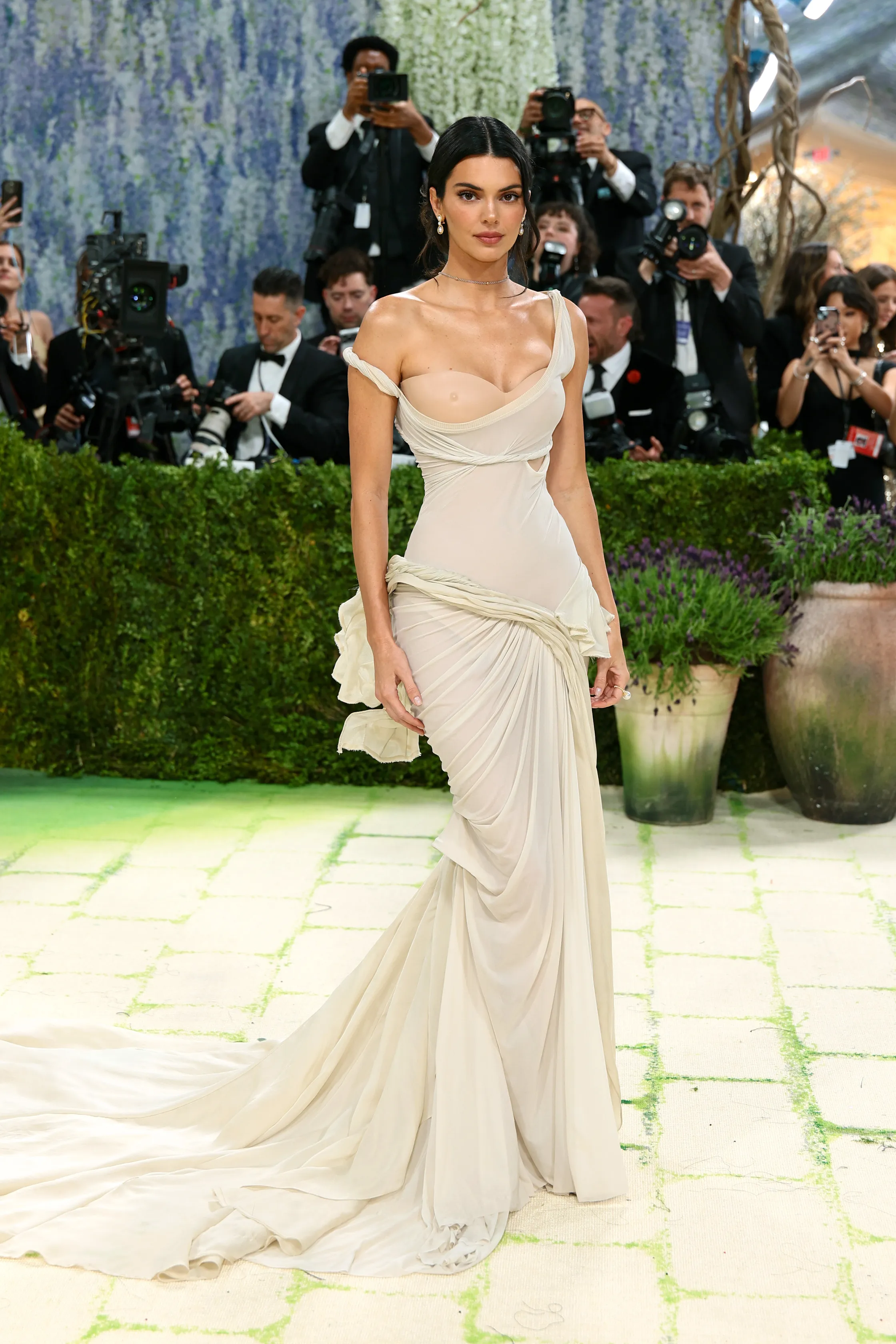
When the news broke that Jeff Bezos was funding the Met Gala, it felt like one of those headlines the internet grabs onto for a day — funny, random, slightly surreal. But once you sit with it, it actually makes perfect sense. And it says a lot about where fashion is right now, and who’s quietly shaping it.
This wasn’t about fashion. It was about influence, access, and cultural positioning.
The Met Gala Has Shifted — And Bezos Just Made It Obvious
The Met Gala hasn’t been a pure fashion event for a while. It’s become a place where industries overlap: fashion, tech, celebrity, media, capital. Bezos stepping in didn’t change the event — it just highlighted what it has already become.
You can see the shift in small ways:
- the guest list feels more curated and strategic
- the themes feel secondary to the spectacle
- the red carpet is less about creativity and more about cultural signalling
It’s not that the clothes don’t matter. They do. But they’re no longer the whole story.
Why Bezos Wanted In: Cultural Capital
Bezos already has capital, reach, and global infrastructure. What he doesn’t have is cultural legitimacy. The kind that comes from being tied to institutions people still see as “taste‑making.”
Cultural capital in 2026 looks like:
- being aligned with the spaces where culture is produced
- being seen as part of the conversation, not outside of it
- having influence that isn’t tied to algorithms or market share
The Met Gala is one of the few places where that kind of legitimacy still exists. So of course he wanted in. You can buy almost anything. But cultural relevance is earned through association.
Why Some Celebrities Pulled Back
The “boycott” wasn’t really about Bezos as a person. It was about what he represents in the cultural ecosystem.
People were reacting to:
- algorithmic control over visibility
- billionaire‑owned cultural spaces becoming the norm
- the slow shift from artistry to capital as the main driver of fashion
For some, attending the Gala this year felt like participating in the very system they critique publicly. And that tension was visible.
Fashion’s New Era: The Patrons Are Back — Just Not the Old Kind
Fashion has always had patrons — wealthy supporters who funded couture, exhibitions, and institutions. But today’s patrons aren’t old‑money art lovers. They’re tech billionaires who understand that cultural influence is the final frontier.
Fashion houses want:
- stability
- global reach
- long‑term funding
Tech billionaires want:
- aesthetic credibility
- cultural access
- symbolic power
The Met Gala became the meeting point.
But it raises a real question: What happens when the people funding culture start defining it?
The Bigger Shift: Who Gets to Shape Culture Now?
Your carousel’s core point is the one that matters most: This isn’t about one man. It’s about a shift in who gets to define culture.
Fashion’s biggest night isn’t being led by the industry anymore. It’s being shaped by the people who can afford to underwrite it. And the industry hasn’t fully decided how it feels about that.
Where This Leaves Fashion
All of this points to a simple truth: fashion in 2026 is shaped by forces far bigger than the runway. Platforms, capital, distribution power, and tech‑driven gatekeeping all play a role. Bezos funding the Met Gala didn’t cause that shift — it just made it visible in a way that’s hard to ignore.
And maybe that’s the real takeaway here. The Met Gala didn’t lose its magic, but it did gain a new kind of author. Someone outside the industry, but deeply invested in how culture is formed and who gets to participate in it. Whether fashion embraces that or resists it is still unfolding — but the direction of travel is clear.