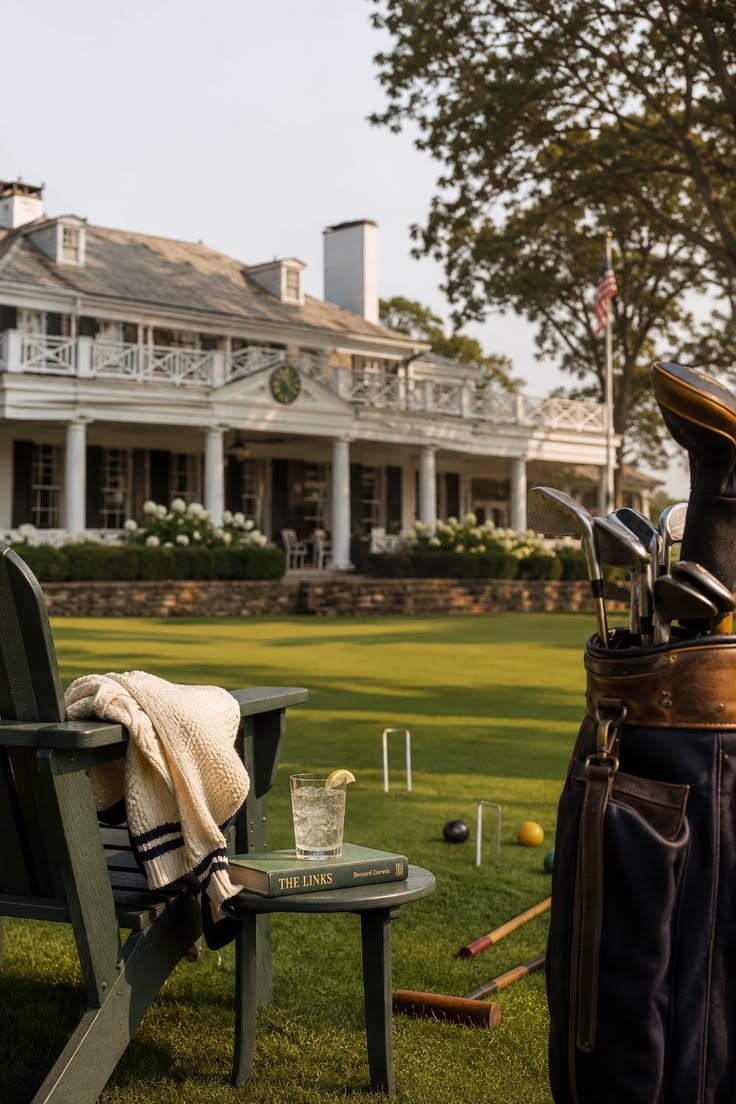
Modern wealth in Britain is undergoing a quiet but structural realignment. The traditional elite, alongside a new cohort of tech entrepreneurs and capital allocators, are migrating away from metropolitan centres. This is not an aesthetic pursuit of pastoral idylls, nor is it a cliché post-pandemic escape. It is a calculated flight toward privacy, sovereign infrastructure, and operational control.
The British countryside is no longer merely a weekend retreat; it has evolved into a status symbol, a physical power moat, and increasingly, a data-driven risk-mitigation strategy.
Below, we analyse the shifting macroeconomic data, the changing psychology of the ultra-high-net-worth (UHNW) demographic, and the cultural mechanics driving this historic domestic migration.
The Rural Ascent: A Data-Driven Market Realignment
The hypothesis that rurality equals obscurity is obsolete. Instead, data indicates that capital is aggressively institutionalizing the countryside to build exclusive ecosystems.
| Indicator | Data Point / Trend |
| Private Club Membership Enquiries | Up 30%–40% YoY since 2023 |
| Second-Home Concentration | 3x higher in rural authorities (2.5%) vs. urban (0.8%) |
| UHNW Net Capital Flight (UK) | 10,800 (2024) → 16,500 (2025 projected) |
- The Membership Surge: Industry intelligence reveals a 30% to 40% surge in membership enquiries for ultra-exclusive rural private clubs since 2023.
- Demographic Redistribution: According to the Office for National Statistics (ONS) internal migration datasets, rural local authorities have consistently outpaced urban counterparts in net internal migration over the 2023–2024 cycle.
- Asset Concentration: Ministry of Housing, Communities & Local Government (formerly GOV.UK) housing stock data reveals that second-home ownership is three times higher in rural authorities (2.5%) than in urban authorities outside of London (0.8%).
The semiotics of wealth have fundamentally inverted. Where a Mayfair or Belgravia postcode once signaled peak market access and social capital, a fortified estate wall now signals the ultimate luxury: absolute exclusion, complete privacy, and a curated peer network.
The Architecture of Erasure: Privacy Over Visibility
The primary catalyst for this migration is not environmental; it is defensive data protection. In an era of pervasive digital surveillance, open-source intelligence (OSINT), and shifting public sentiment, visibility has transformed from an asset into a distinct liability.
Metropolitan environments present an unmanageable surface area of exposure:
- Ubiquitous state and commercial CCTV networks.
- Geotagged public records and real-time flight tracking.
- Uncontrollable ambient social media exposure from the public.
Concurrently, the UK macro environment is navigating an unprecedented exodus of wealth. Data from the Henley & Partners Wealth Migration Report notes that 10,800 millionaires departed the UK in 2024, with a projected escalation to 16,500 departures in 2025. For the affluent capital that remains, insulating oneself from volatile public systems via private infrastructure has become the premier defensive play.
Profiles in Withdrawal: The Mechanics of the Rural Migration
1. The Sovereign Tech Founder (Berkshire)
In 2025, the founder of a high-valuation London fintech relocated his primary residence to a highly secure estate in Berkshire. His rationale bypassed standard lifestyle upgrade talking points: “I required operational sovereignty for my family.” The estate was retrofitted not for leisure, but for self-sufficiency: featuring a private micro-schooling pod for select families, comprehensive off-grid energy systems, and a strict zero-device policy for guests. The move was entirely operational, treating the home as a private cloud network.
2. The High-Profile Creative (Oxfordshire)
Following a sustained period of intense tabloid scrutiny and algorithmic tracking, a prominent British actress acquired a secluded Oxfordshire estate. Her advisory team classified the acquisition not as a residential purchase, but as “a strategic withdrawal from public searchability.” By controlling the physical perimeter, she effectively established a closed, un-indexed social ecosystem where access is strictly permissioned.
3. The Institutional Family Office (Gloucestershire)
Vanguard capital is also shifting its physical footprint. A prominent multi-family office recently transitioned its primary headquarters from Mayfair to a sprawling estate in Gloucestershire. The managing partners cited three core strategic advantages: a drastically reduced digital and physical footprint, absolute control over physical access, and the discretion to host high-stakes investor summits away from the surveillance of competing institutions. The estate now functions less like a home and more like an unlisted private equity hub.
What the New Rural Estate Market is Actually Selling
Monetising the countryside is no longer about offering fine dining or spa treatments; it is about commercialising controlled community.
THE NEW VALUE PROPOSITION
Old Luxury:
- Visible conspicuous consumption
- Public networking hubs
- High-density urban access
New Luxury:
- Physical moats and absolute seclusion
- Curated, vetted peer ecosystems
- Sovereign, resilient private infrastructure
Consider the market leaders capturing this demographic shift:
- Estelle Manor (Oxfordshire): Reportedly managing a backlog of over 5,000 membership applications, leveraging the demand for elite networking insulated from urban scrutiny.
- Heckfield Place (Hampshire): Pioneering the concept of the “eco-aristocracy,” blending biodynamic agriculture with ultra-premium hospitality.
- The Lakes by YOO (Cotswolds): Marketing curated waterfront seclusion with asset prices ranging from £3 million to £8 million, offering turnkey privacy security matrixes.
These developments do not merely sell real estate; they sell physical firewalls, predictive infrastructure, and an insulated social fabric. Power is actively shifting away from public visibility toward private isolation.
The Urban Counter-Thesis: Why the City Persists
To maintain analytical objectivity, it is critical to acknowledge that the death of the city has been greatly underestimated. A significant segment of high-net-worth capital deliberately chooses urban density for several structural reasons:
- Agglomeration Economies: Cities offer unparalleled network density. The immediate physical proximity to venture capital firms, legacy media institutions, and regulatory bodies remains an efficient accelerator of business business.
- Anonymity Through Scale: While the countryside offers physical distance, London offers the anonymity of the crowd. In a city of nearly nine million people, blending into the background is often easier than managing the hyper-local scrutiny of a small rural village.
- The Velocity of Youthful Wealth: Inherited or tech-adjacent wealth held by younger demographics consistently favors hyper-connectivity, experiential luxury, and direct proximity to cultural institutions over pastoral isolation.
Ultimately, urban centers are not facing obsolescence; rather, they are losing their historic monopoly on elite status.
The Cultural Implications of the Private Moat
We are witnessing a structural divergence in the sociology of modern wealth. The British elite are actively divesting from public validation, visible consumption, and performative luxury. In their place, they are allocating capital into gated perimeters, unlisted private clubs, and unsearchable identities.
As affluent cohorts construct these physical and digital moats, the British countryside is being fundamentally rewritten as an exclusive, high-barrier-to-entry ecosystem. This shifts the cultural landscape from one of public aspiration to one of private containment—leaving us with a critical socio-economic question regarding who will ultimately control the country’s spatial power.
Editorial Outlook: The Secession of Capital
For centuries, power in Britain was defined by presence—headquarters in Mayfair, grand townhouses, and highly visible civic influence. Today, power is defined by absence.
If the ultimate luxury of the late 2020s is the financial ability to disappear entirely into sovereign, off-grid infrastructure, we must confront what happens to the public square left behind. In a world where capital can fully insulate itself from public volatility, who is left to invest in our collective future?